

The shell is safe; the seam needs care
Decay Under Veneers in Encino, CA: Signs and Fixes
Yes, a tooth can decay under a veneer, though the porcelain itself never rots. Cavities start at the margin, the thin seam where shell meets tooth, wherever plaque sits. Dr. Faraz Farahnik, DDS, who has placed 10,000+ veneers, reads those seams on digital X-rays and iTero NIRI images for Veneers & Co. Dental Group patients, whose visits happen in Encino at 16260 Ventura Blvd, Suite 730. Worried about one shell? Call (818) 658-9285 and tell us which one.
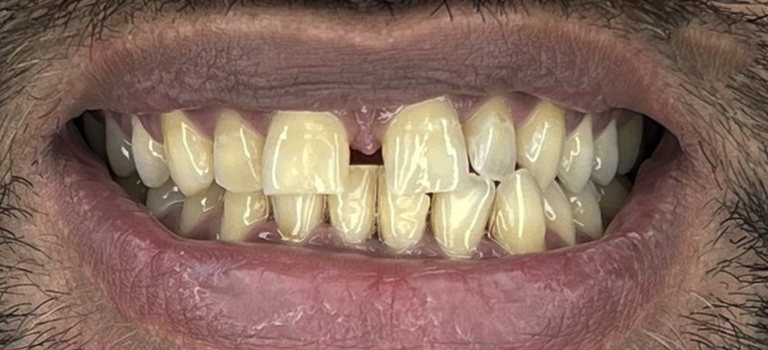
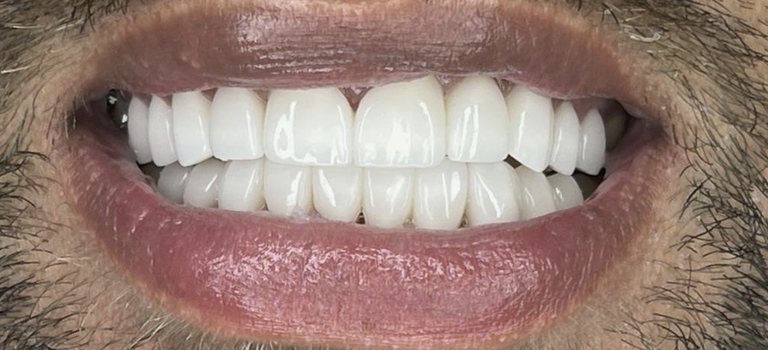
Edge decay rarely hurts in its early stage, which is why checkups matter more than symptoms.




Open 24/7· English · Español· فارسی· العربية
Veneers & Co.: practice facts at a glance
The key facts about care at Veneers & Co. Dental Group in Encino, from who treats you to how you can pay.
- Dentist
- Faraz Farahnik, DDS (USC Herman Ostrow School of Dentistry, 2018)
- Experience
- Dr. Farahnik has 8 years in practice, 20 years in the dental field.
- Patients
- Trusted by 2,000+ patients over 8 years and open 24/7.
- Every consultation
- iTero 3D scan and a mock-up of your smile
- Where
- 16260 Ventura Blvd, Suite 730, Encino, all under one roof
- Paying
- All PPO plans accepted; financing through Cherry first, then CareCredit
The Seam Is the Weak Point
Bacteria do not need to get under the veneer; they work at its edge.
Our iTero NIRI scanner and digital X-rays are both used to check teeth around veneers. Tell us if a veneer edge feels rough or looks darker than before.
The bond between porcelain and enamel is very tight. The weak spot is the margin, especially near the gum, where plaque collects if flossing is skipped. Other contributors:
- A margin that sits on exposed root, which is softer than enamel
- Old veneers whose cement has washed out at one corner
- Dry mouth from medicines, which removes saliva's protection
- Frequent sipping of soda, juice or sweet coffee
Signs to Watch For
Early decay is quiet; later decay gets noticed.
- A thin gray-brown shadow along the shell edge
- A rough catch when you run floss along the margin
- New sensitivity to cold or sweets on one tooth
- Bad taste or bleeding gum on that tooth only
- A veneer that suddenly feels loose
Any one of these is worth a quick look. Our veneer falls off guidecovers the loose-shell case.
Finding It Early
Imaging catches what a hand mirror misses.
Porcelain can hide a small cavity from the naked eye. Light passes through a thin shell differently than through enamel, so a shadow you notice in the bathroom mirror may be stain, cement or decay. Only the X-ray and the scan side by side settle which one it is.
Shells Placed Elsewhere Years Ago
Shells placed ten or fifteen years ago often used older cements and thicker margins. If yours came from a different dentist, bring any records you have; the scan still shows how each edge is holding up, and we can tell you which teeth need watching and which are fine. Bitewing X-rays show darkening along the margin, and iTero NIRI near-infrared imaging, part of our routine scans, can flag early changes between neighboring teeth using light rather than X-rays. A slight edge stain is often only surface staining and can be polished.
Treatment Options
The size of the cavity sets the plan.
- Small edge decay: cleaned out and patched with tooth-colored composite, leaving the veneer in place
- Larger decay: the veneer is removed, the tooth is repaired, and a new veneer is made
- Deep decay reaching the nerve: root canalfirst, sometimes followed by a crowninstead of a veneer
We also check whether a root canal tooth can still carry a veneer.
Keeping the Margins Clean
Floss daily, sliding up and down each side of every shell. Use a fluoride toothpaste and a soft brush angled at the gumline. Limit all-day sipping of anything sweet or acidic. Grinders should sleep in a custom guard, since chipped margins trap plaque. Keep cleanings every six months or as advised.
If You Had Many Cavities Before
Past cavities are not a disqualifier for porcelain. They mean the plan treats active decay first and may lean toward designs with margins away from the gum.
A Veneer Checkup Here
What we look at on every veneered tooth.
Scan
iTero model plus NIRI light imaging.
X-ray
Bitewings along every margin.
Probe
Margins checked for catches or gaps.
Polish
Surface stain removed safely.
Report
You see what we saw, tooth by tooth.
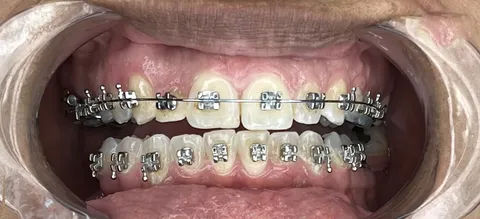
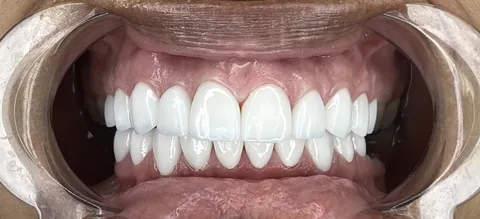
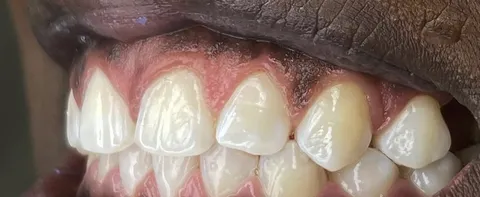
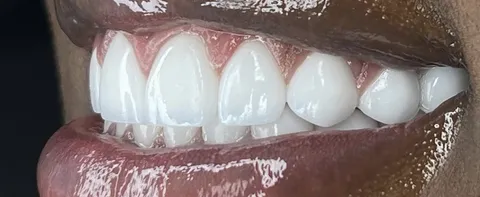
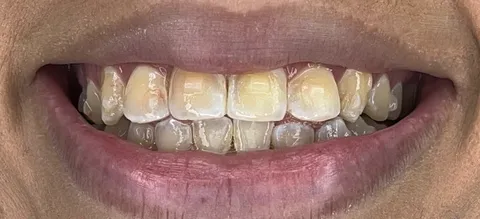
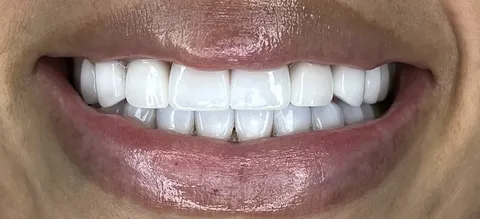
Veneer Smiles We Look After
Shown with written permission from each patient.
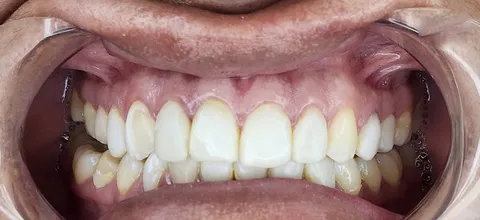
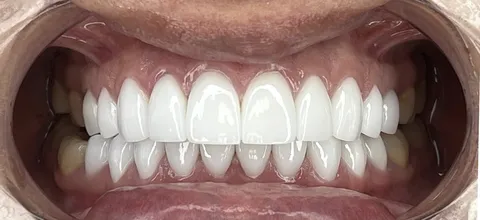

Who checks your shells
A Dentist Who Knows Veneers Inside Out
With 2,000+ smile makeovers behind him, Dr. Farahnik has watched margins age; he picks each shell's material, whether stacked porcelain layers, Emax or zirconia. Practicing since 2018, he was already working in dentistry in 2006. He reviews older veneers made elsewhere too. Porcelain veneers.
Coverage for Repairs
Treating decay is dental care, not cosmetics.
Your PPO, whichever carrier, is accepted, and plans commonly cover fillings and part of a replacement when decay is the cause. For whatever remains, a Cherry application usually comes first, a CareCredit card second; Sunbit and terms from our billing desk are there as well. Financing.
Apply with CherryApply with CareCredit
Financing is subject to credit approval.
Veneer Decay FAQs
Straight answers about cavities and veneers.
Can you get a cavity under a veneer?
Yes, at the edge where porcelain meets tooth. The porcelain itself cannot decay.
Do veneers cause decay?
No. Decay comes from plaque and sugar. A poorly fitting margin can trap plaque, which is why fit matters.
Can a cavity be fixed without removing the veneer?
Small ones at the margin often can, with a tooth-colored patch. Larger ones need a new veneer.
Do composite veneers decay more?
Composite stains and wears faster and can develop rough edges that hold plaque, so margins need closer watching.
How often should a veneered tooth get X-rays?
We check the seams at every cleaning, usually every six months, and take bitewings as often as your decay risk calls for.